
Pharmaceutical-Grade B12 Vials Info
We’re excited to announce our new group buy for this important, possibly life-changing remedy…
** This group-buy ends on April 11th, 2026.
This group-buy gives you access to injectable B12 (prescription-free) - allowing you to bypass absorption issues and deliver B12 directly to where your body needs it most.
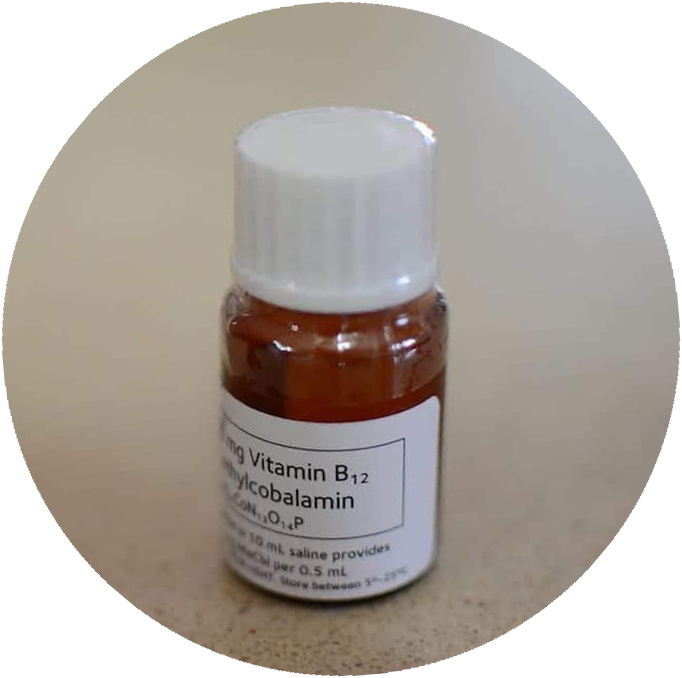
The vials offered here contain pure, pharmaceutical-grade methylcobalamin, the active form of B12 that your body is designed to use.
This is the form we consistently recommend for those experiencing low energy, neurological symptoms, absorption issues, or signs of B12 deficiency.
Step-by-step instructions for how to prepare, store, and use the injections will be included with your order.
The B12 offered in this group-buy is not sourced from unknown or low-quality suppliers. It comes from a reputable, pharmaceutical-grade laboratory in the UK. From there, it is sent to a second lab for independent testing to ensure purity, potency, and sterility. No vial is released unless it meets strict quality standards. (See the Material Safety Data Sheet link below.)
These vials contain methyl B12 in powder form. You’ll add 10 mL of bacteriostatic water… yielding approximately 30–33 doses, with about 600 mcg per injection
B12 in liquid form can degrade when exposed to light or heat. In contrast, the powder form is highly stable. By receiving your B12 in dry form, you can be confident it has maintained its integrity during shipping and storage. Once mixed, simply wrap the vial in aluminum foil to protect it from light and preserve its potency.
The Role of B12 and Why It Matters
Many people experience a wide range of symptoms related to B12 deficiency, often without realizing the root cause.
Vitamin B12 plays a critical role in:
Red blood cell production
Oxygen transport throughout the body
DNA synthesis
Cellular metabolism
Nervous system health
When B12 levels are low, the body’s ability to produce healthy red blood cells is impaired, which can lead to reduced oxygen delivery and persistent fatigue.
Over time, deficiency may contribute to symptoms such as:
Ongoing fatigue and weakness
Shortness of breath
Tingling or numbness in the limbs
Muscle tremors
Cognitive or neurological changes
If left unaddressed, prolonged B12 deficiency can impact both neurological function and overall quality of life.
B12 deficiency may make small daily chores leave you sore and breathless. You have trouble remembering things. You’re always tired, and often find yourself having to go to sleep. You are literally sick of being sick. Even worse, loved ones don’t understand why you’re so exhausted all the time.
Methyl B12 is known for its strong neuro-supportive properties. It helps support balance within the nervous system and plays a key role in nerve function, including axonal transport and regeneration. It has also been shown to support healthy nerve signaling.
Of all forms of B12, methylcobalamin is considered the most effective for supporting neurological symptoms such as numbness, tingling, and nerve-related discomfort.
Beyond B12 deficiency and pernicious anemia, methyl B12 has been studied for its supportive role in a wide range of conditions, including neurological and digestive disorders. Ongoing research continues to explore its potential benefits in areas such as cognitive health, autoimmune conditions, and more.
(See the full list of B12 deficiency symptoms below.)
Why Do So Many Suffer with B12 Deficiency?
There are many reasons why B12 may get low. Some of these reasons include: impaired production of acids or enzymes needed to break down food and the production of intrinsic factor (this especially comes with old age), pancreatic insufficiency, intestinal disease (Crohn’s or celiac disease), long-term use of acid suppressants, pernicious anemia (an auto-immune issue) that can be caused by three different antibodies that we know of (those which bind to the B12-IF complex, preventing uptake, those which bind to IF itself, preventing the binding with B12, and those which bind to parietal cells, preventing the production of IF to begin with.
What Is Most Effective for B12 Deficiency?
The most effective option is small, frequent doses, by injection, daily at least if you have neurological B12 deficiency symptoms.
Injecting B12 is totally safe. It is a water-soluble vitamin, meaning you will quickly urinate any excess. You can’t overdose or build toxicity levels. In fact, methyl B12 has been used in mega-doses (approximately an entire vial twice a week) to treat cyanide poisoning and neuropathy, or to prolong the life of ALS patients.
About the 20mg Pure Methylcobalamin Injections:
- This is a pure methylcobalamin.
- There are zero preservatives.
- It’s 100% pure methyl B12.
- This B12 is not made from fermenting bacteria or mold.
- There is 20mg of pure methyl B12 powder in each vial.
- Each bottle will give you approximately 33 shots (when using 0.3ml syringes, as recommended)
- Depending on one’s needs, taking one injection per week up to one injection per day is most common. (B12
- The dissolved B12 (once mixed with the saline solution), will last as long as the expiration date stamped on the vial.
» Here is the Material Safety Data Sheet for this methylcobalamin: https://www.dropbox.com/s/f72mb8u4n2afrbu/msds_methylcobalamin.pdf?dl=0
- There is little to no pain involved when injecting the B12 into the abdomen, thigh or buttocks.
- Injections provide the most efficient methyl B12 delivery.
- Detailed instructions will be provided with each order.
When you dissolve 20,000 mcg of B12 in 10 mL of bacteriostatic water,
using 0.3 mL syringes will give you approximately 30–33 injections,
each providing about 600 mcg of B12.
How Often Should I Take the B12 Injections?
Note: It’s always recommended to work with your doctor or a qualified health practitioner when starting any new supplement or injection protocol to ensure it’s appropriate for your individual needs.
Frequency can vary depending on your current health and symptoms.
If you’re generally healthy and not experiencing many signs of deficiency, you may choose to use an injection 1–2 times per month.
If you’re experiencing moderate symptoms (see the list at the end of this info sheet), or tend to have digestive or absorption issues, you may benefit from 1–2 injections per week until you notice improvement. From there, you can adjust to a maintenance schedule.
If you’re dealing with more significant symptoms such as ongoing fatigue, brain fog, or known B12 deficiency, some people choose to use injections more frequently for a period of time, then gradually reduce frequency as their symptoms improve.
The goal is to find a rhythm that supports your body, then adjust as needed over time.
How Long Does it Take to Work?
Response times can vary from person to person.
Some people notice improvements in energy, clarity, or overall well-being within a few days, while others experience more gradual changes over several weeks.
Vitamin B12 plays an important role in red blood cell production and nervous system support. As levels improve, the body begins to restore normal function - but this process takes time.
Because red blood cells have a lifecycle of approximately 90 days, it may take a few months of consistent use to experience the full benefits, especially if deficiency has been present for a long time.
Consistency tends to matter more than speed.
What’s the Expiration?
Methylcobalamin is highly stable in its dry (powder) form, even under less-than-ideal conditions. This helps ensure the product maintains its quality during storage and shipping.
Each vial is labeled with an expiration date of just under one year, based on the assumption that it will be mixed shortly after receiving.
In dry form: shelf life is typically 2+ years when stored properly
After mixing with bacteriostatic water: best used within several months to up to one year, depending on storage and handling
To preserve potency after mixing:
Store in a cool, dark place
Wrap the vial in foil to protect from light
Additional Items You’ll Need to Purchase:
You will need the following additional supplies to turn your powder into a saline solution that you will be able to inject into the abdomen:
Bacteriostatic Water (for mixing with the powder)
→ Purchase one 10ml vial per B12 vial
Issues People Have Recovered from Using B12 Injections:
Migraines
Poor Red Blood Cell Production
Intrinsic Factor Anti-Body (which prevents B12 absorption)
Chronic Fatigue
Memory/Focus
Fainting
Body Pain
Visual Acuity
Sinus/Ocular Pressure
Pernicious Anemia Symptoms such as fatigue, weakness, severe night sweats, erratic high and low blood pressure, headaches, chest pain, balance and motor function, numbness in arms and legs, and even delusions and hallucinations
Insomnia
Nerve Damage (Myelin Damage)
Neurological Symptoms (Myelin Damage)
Inflammation
More About Methycobalamin:
Methyl B12 offers strong neuro-supportive benefits. It plays an important role in nerve repair and function, supports healthy neurotransmitter activity, and contributes to mental clarity and alertness. It also helps the body produce SAMe, a key compound involved in methylation, and supports healthy homocysteine levels.
Because methylcobalamin is already in its active form, it bypasses several steps required for absorption - making it one of the most effective forms of B12 for supporting and relieving deficiency-related symptoms.
Each vial contains 20,000 mcg (20 mg) of pure methyl B12, which is dissolved in 10 mL of bacteriostatic water. When using 0.3 mL insulin syringes (as recommended), this yields approximately 30–33 doses, with about 600 mcg of B12 per injection.
This provides a meaningful amount of B12 to support cellular function, energy production, and overall recovery.
Complete List of Symptoms of Vitamin B12 Deficiency:
Numbness and tingling of the tongue, hands, thighs or feet.
Difficulty walking.
Memory loss, forgetfulness, difficulty recalling names or words.
Disorientation, dizziness, confusion.
Dementia with or without mood changes.
Intellectual deterioration.
Difficulty to concentrate.
Abnormal reflexes.
Balance, coordination and/or speech problems (ataxia).
Unsteady walking, falling.
Tremors (rhythmical, involuntary shaking movements).
Tinnitus, ringing or buzzing in the ears.
Impaired pain perception.
Nocturnal cramping.
Changes in taste and smell.
Sharp nerve shocks in either side of the body.
Spinal nerve pain, often in the lower back and neck.
Optic atrophy, visual disturbances, blurred vision, nystagmus, blindness.
Paralysis of any degree.
These symptoms appear because B12 deficiency strips off the myelin that covers cranial, spinal and peripheral nerves. Although progression of neurological symptoms is gradual, once they have been present for a while, they may not be reversible with treatment.
Neuropsychiatric Symptoms
Psychosis.
Hallucinations.
Schizophrenic behavior.
Delusions.
Sleep disturbances or insomnia.
Depression.
Suicidal ideation.
Mania.
Anxiety.
Personality changes.
Paranoia.
Irritability.
Violent or aggressive behavior.
Apathy.
Inappropriate sexual behavior.
Hematological Symptoms
Anemia.
Macrocytosis (large red blood cells).
Pale skin.
Dry or cracked sores in the corners of the mouth.
White spots, usually on the outside forearm skin.
Hyper/hypo pigmentation of the skin.
Hyper segmented neutrophils.
Poor wound healing.
Breathlessness, asthma, wheezing.
Chronic fatigue, general weakness.
Gastrointestinal Symptoms
Loss of appetite, weight loss, malnutrition, anorexia.
Poor digestion, bloated feeling after eating normal or even small meals.
Irritable bowel syndrome, constipation, diarrhea.
Gastric reflux disease.
Giardiasis (infection of the intestine).
Inflammation of the pancreas (pancreatitis).
Decreased stomach acid.
Delayed gastric emptying (gastroparesis).
Helicobactor pylori infection.
Small intestinal bacterial overgrowth.
Malabsorption syndromes like Crohn’s or celiac disease.
Liver disease.
Diphyllobothrium latum (fish tapeworm)
Vascular Symptom
Orthostatic hypotension (low blood pressure when standing up).
Chest pain.
Increased heart rate when changing from supine to upright position.
Heart palpitations.
Enlargement of the heart.
Stroke (cerebral vascular accident).
Mini stroke (transient ischemic attack).
Heart attack (myocardial infarction).
Narrowing of the arteries (occlusive arterial disease).
Blood clotting, often in the legs (deep vein thrombosis).
Blockage of an artery in the lungs (pulmonary embolism).
Additional Signs & Symptoms of B12 Deficiency
Vitamin B12 deficiency also affects the musculoskeletal, endocrinological, immunological, respiratory, genitourinary, and dermatological systems. And so, here are some other side effects of B12 deficiency that are worth mentioning:
Increased susceptibility to infections.
Difficulty swallowing.
Premature greying, hair loss, dry or lifeless hair.
Poor antibody production after vaccinations.
Incontinence.
Decreased libido.
Increased urinary tract infections.
Hypothyroidism.
Osteoporosis.
Fractures.
Muscular spasms and cramps.
Bleeding from the gums (gingival bleeding).
Oral ulcers.
Brittle nails.
Decreased activity of osteoblasts (cells that build bone).
Restless legs.
Weakness of legs, arms, trunk.
Glossitis, swollen/sore tongue.
Fainting, lightheadedness.
Enlarged spleen (splenomegaly) or liver (hepatomegaly).
B12 Deficiency Symptoms in Children:
· Developmental delay or regression.
· Decreased muscle tone (hypotonia).
· Poor weight and/or height gain, a general failure to thrive.
· An abnormally small head.
· Intellectual disabilities, lower IQ.
· Language delay or speech problems.
· Poor motor and coordination skills.
· Poor socialization.
· Difficulty in walking or writing.
· Apathy, lethargy, irritability.
· Mood disorders and psychotic behavior
· Weakness, fatigue, tiredness.
· Muscle tremors, involuntary movements, tics.
· Abnormal sensations.
· Pigmented skin.
· Chronic constipation.
· Epileptic seizures (fits).
· Vision abnormalities.
· Anorexia, loss of appetite, or other eating disorders.
· Severe food allergies or sensitivities.
· Anemia.
· Stroke.
· Rooting reflex kept for more than 4-6 months of age.
· A diagnosis of celiac, thyroid disorder, or another autoimmune disease.
· A diagnosis of any neurological, psychiatric, or behavioral disorder.
Note: These statements have not been evaluated by the FDA. Seek medical care if you think you have a health condition that needs medical attention. We do not guarantee, nor do we claim, that this formula will be effective against any certain illness or condition.